-
Health Screening
Health screening is a process in which an employee undergoes several tests to identify health risks. It is an important part of preventative healthcare. The goal of health screening is to distinguish the healthy from the unhealthy by detecting conditions early. Health screening involves a number of procedures, including examinations, history taking, and other tests. It is sometimes done as part of a multiphase screening process, which involves multiple diagnostic procedures.
Employee health screening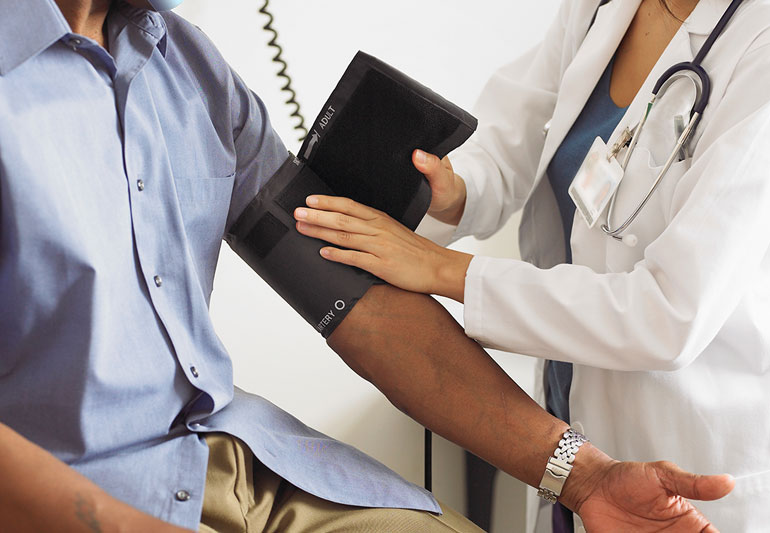
The New York State Department of Health Code 405.3 mandates that employees undergo certain medical screenings before they can begin work and annually thereafter. You can schedule an appointment for potential employees at the Employee Health Office. New volunteers and incoming residents may also undergo a medical exam at the Employee Health Office. Incoming staff or volunteers must submit their health information and submit proof of immunizations or antibody titers.
Employee self-assessment is vital to prevent diseases spreading to the office. The best employee health questionnaires are easy to complete and take less than two minutes. These questionnaires are especially important for employees who recently traveled abroad. Some employees may need to quarantine themselves for 14 days before returning to work. The health screenings provide your employees with peace of mind and improve motivation levels.
Employee health screening is not only about ensuring that employees stay healthy, but it can also help employers learn which wellness initiatives their staff would find useful. By providing these health screenings and wellness resources to your staff, you can ensure the long-term health of your employees and the well-being of your organisation.
Types of testsThere are different types of health screening tests. They differ in their focus, the conditions they detect, and the setting in which they are used. They may also differ in the types of people who are eligible to receive them. For example, a screening program may detect a condition only in patients with a high risk of contracting it. In contrast, a surveillance program may detect a disease before symptoms show up.
The main goal of health screening is to identify diseases at an early stage, when they are more treatable. Health screening tests come in a variety of forms and are both invasive and non-invasive. They are useful for detecting conditions such as high cholesterol, diabetes, and hypertension. They can also detect the early stages of certain illnesses, such as cancer. They may be conducted as part of a routine physical exam or as part of a wellness screening program.
Some of the most common types of health screening tests are available through government-run clinics or private clinics. However, the cost of undergoing these tests varies widely. The more expensive health screening packages often cover a broader range of conditions, while cheaper ones usually cover less advanced tests. It is therefore essential to read the details of each health screening package before signing up for one.
CostsCosts of health screening are often underestimated. A large part of the difference between U.S. and European healthcare expenditures comes from differences in methodologic standards. Despite this, the overall results are consistent. The costs of screening for cancer are estimated to increase life expectancy by approximately four years and healthcare expenditures by about seven dollars per person per life year.
Many health screening tests are expensive, and some are only recommended for newborns and certain conditions. Also, even when screening turns up negative, it doesn’t necessarily mean you’ll never have a problem. For example, the cost of a colonoscopy in a particular region can range from $1,400 to $2,800.
Health screening costs vary greatly, and a number of factors affect the price. Your age, health status, and family history all contribute to the cost. If you’re healthy and don’t have a family history of any health problems, you may not need annual screenings, since x-rays and mammograms aren’t necessarily beneficial. However, if you’re concerned about your health, a health screening can help you make informed decisions about your health.
GuidelinesHealth screening is an important part of preventative health care. There are many screening tests available to check for a range of conditions. The goal of screening is to detect diseases before they cause symptoms, so that a healthcare professional can intervene if necessary. Some common screening tests include breast and cervical cancer screenings, high blood pressure and HIV screenings.
These guidelines are used to help medical professionals conduct health screenings. Although physicians do not need to have medical training to carry out health screening, they must be qualified. The guidelines provide important information, including screening questions and referral sources for health care. Performing health screenings will give municipalities a comprehensive picture of a refugee’s health and prepare them for integration.
In addition to screening for diseases, health screening can prevent disease outbreaks and may slow the geographic spread of an illness. It can also help unaffected communities prepare for disease importation. In cases of a public health emergency, the World Health Organization may recommend enhanced screening measures to control the disease outbreak.
-
Hello World!
Welcome to WordPress! This is your first post. Edit or delete it to take the first step in your blogging journey.
-
Subscribe
Subscribed
Already have a WordPress.com account? Log in now.
 Site Title